
Key Takeaways
The Cost
WordPress VIP's true cost extends well beyond licensing — it includes plugin maintenance, developer time, performance firefighting, and agency overhead, making total cost of ownership significantly higher than the license fee alone.The Criteria
The six criteria for evaluating any WordPress VIP alternative in 2026 are: performance architecture, scalability, security, editorial experience, design flexibility, and total cost of ownership.What is RebelMouse?
RebelMouse is built as a performance-first, SEO/AIO-native platform — meaning Core Web Vitals compliance, schema markup, and AI-ready content structures are built in rather than assembled from plugins.SEO and AIO
In 2026, SEO and AIO (AI Optimization) are inseparable — structuring content so AI systems like ChatGPT and Perplexity can understand and cite it is now a core publishing requirement, not an advanced feature.When did RebelMouse launch?
RebelMouse launched in 2012 by Andrea Berry, former CTO of The Huffington Post, specifically to solve the gap between editorial publishing needs and what existing CMS platforms could deliver at scale.
Have you been a dedicated WordPress VIP user but it's now time for a change? Whatever brought you here, this guide breaks down what WordPress VIP really is. You can then make an honest decision about potential alternatives for 2026.
This article is a must read, especially if you care about important website components such as speed, SEO/AIO readiness, editorial happiness, and total cost of ownership.
Why People Start Searching for WordPress VIP Alternatives
For a lot of teams, the WordPress VIP story starts strong: “enterprise-grade WordPress with security, support, and scale.” However, things can quickly start to add up and make you wonder if WordPress VIP is really all it’s cracked up to be.
Here are some examples of when reality sets in:
- Costs Continue to Increase: The costs start to mount, and not just for licensing and hosting, but also the human cost of maintaining themes/plugins and wrangling performance.
- Plugins Remain the Center of Gravity: With plugins, you face fragmentation, compatibility checks, and the occasional “we upgraded X and Y broke.”
- Innovation Feels Slow: Even though it's supposed to be a top-of-the-line, premium CMS, it can start to feel slow, especially around modern AI-powered publishing, first-party performance architectures, and editorial workflows that are born for 2026 — not retrofitted for it.
If that’s you, you’re not alone. Lots of people have started to search for WordPress VIP alternatives. The market has grown up.
In 2026, there are serious alternatives that are not only viable, but purpose built for how audiences find, read, and share content today. They are definitely worth your time to check out!
What to Look for in a WordPress VIP Alternative
 woman using gray binocularsPhoto by Chase Clark on Unsplash
Think in terms of outcomes and ownership. Your platform should give you speed, search visibility, editorial flow, and analytical clarity with ease. It should not require you to duct tape 12 plugins and three vendors together to make it all function. Let’s face it, that’s just asking too much!
Let’s take a hard look at what to look for when considering WordPress VIP alternatives.
1. Performance (Core Web Vitals and Real-World Speed)
- Look for performance-first architecture. Please don’t view performance as an afterthought.
- Server-side rendering + smart caching + image optimization + CDN integration should be native. It should not be a checklist item of some third-party add-ons.
2. Scalability (Traffic Spikes and Global Delivery)
- Holiday spikes, launch moments, and breaking news should be non-events from a stability perspective and should never shake things up.
- Your platform should autoscale. Not to mention it needs to serve audiences globally with minimal configuration.
3. Security (Compliance, Patching, and Peace of Mind)
- Reduced attack surface area is key. Honestly, the fewer plugins and custom patch points, the better.
- Here’s something big to ask: What’s built in versus what needs to be installed and maintained?
4. Editorial Experience (Joy > Friction)
- Writers and editors should love the interface and actually enjoy using it. In fact, it should be an asset and not a hindrance.
- Features like in-line SEO/AIO guidance, content templates, on-page collaboration, and publishing workflows should be part of the core, not a plugin scavenger hunt.
5. Flexibility (Design Systems and Integrations)
- Modern component systems such as headless/hybrid options have a design layer your team can actually own.
- Easy integrations should include things like analytics, marketing operations, and e-commerce without bloating the stack.
6. Cost-Effectiveness (Total Cost of Ownership)
- Don’t just compare licenses. Instead, you need to compare all-in costs: platform + plugins + DevOps + maintenance + performance firefighting + agency time.
- The “cheap license, expensive labor” trap is real, and that’s why you need to look at the operating model — not just a line item.
The Top WordPress VIP Alternatives in 2026
Here are the WordPress VIP alternatives that you seriously need to evaluate when you’re ready to move past WordPress VIP.
Each one we’ve outlined has its strengths and weaknesses. The right choice depends on your use case, your in-house skills, and how “opinionated” you want your CMS to be.
Contentful (Headless CMS)
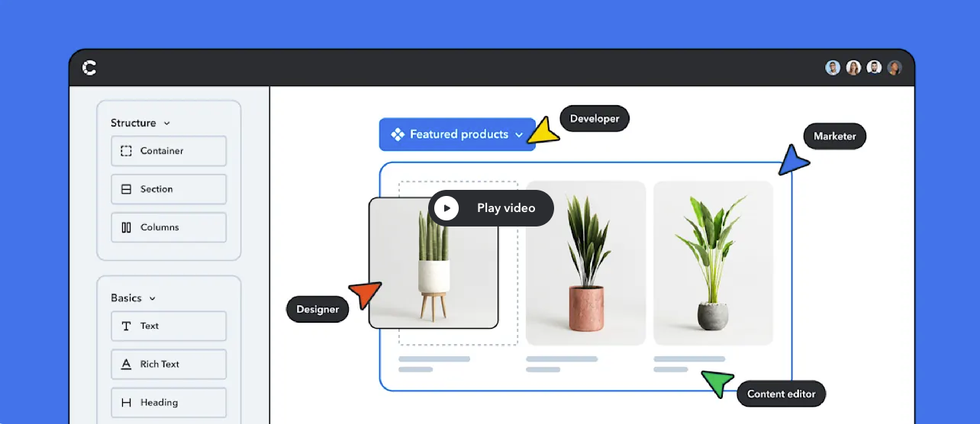
This is a pure headless CMS that separates content management from presentation so that there are two categories. You build the front end (site/app) using the framework of your choice, and then Contentful serves the content via API.
- Omnichannel Content Operations: One content hub powering web, mobile apps, kiosks, and more.
- Developer Freedom: Use React, Next.js, Nuxt, Svelte — whatever your team prefers.
- Structured Content at Scale: Great for complex models and localization.
Tradeoffs to Note:
- You own the front end. Amazing for flexibility, but you need developer resources which can be an added cost.
- Editorial previews/workflows can feel abstract without careful setup which can slow things down.
- Costs can climb as you add locales, environments, and traffic. Your end expenses can quickly become too much to handle.
This is great for product teams and content operations leaders who want a content platform more than a website builder. This is especially true if you already have an engineering bench.
Drupal (Open Source, Enterprise-Friendly)
In our opinion, this is a mature, open-source CMS known for its robust permissions, taxonomy, and enterprise features.
- It provides complex content models, roles, and workflows in large organizations.
- It’s highly customizable with a truly massive module ecosystem, as well as deep theming options.
- There are strong security practices and an active community.
Tradeoffs to Note:
- There is a steeper learning curve for non-Drupal teams.
- The maintenance overhead can mirror WordPress’ plugin complexity.
- It takes skill and expertise to meet performance needs.
This is great for the government, higher education, and complex enterprise portals that need granular access control and structure, and have the developer resources to run it.
Webflow Enterprise (Visual Development With Guardrails)
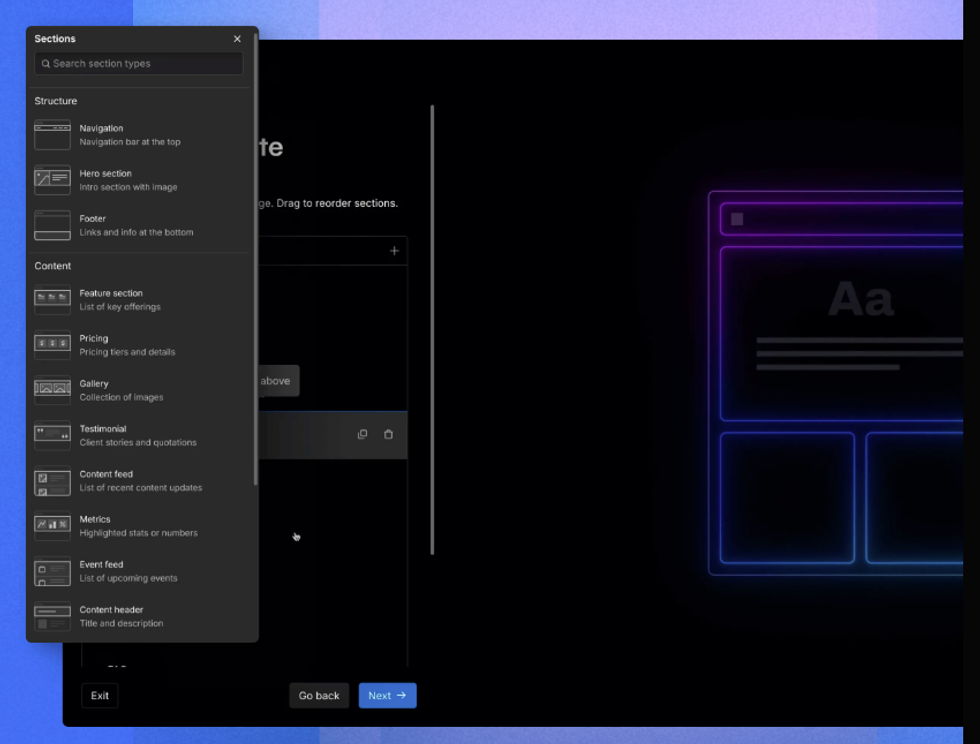
This one is a visual design/development platform that has matured into a serious enterprise option with CMS, hosting, and team features.
- The design velocity is impressive. Designers can build production-grade pages without hand-coding everything.
- Component systems and CMS collections that are friendly to marketers and easy to use are two huge perks.
- Enterprise programs for security, SSO, and support provide more peace of mind.
Tradeoffs to Note:
- There are extensibility limits. It’s not a blank canvas like headless.
- Very large or exotic content models can get awkward.
- Advanced editorial workflows and deep SEO/AIO may need workarounds.
This one is best for marketing and design teams who want to move fast with a strong design system and reasonable scale. All of this without standing up a full engineering project.
Ghost (Publishing First)
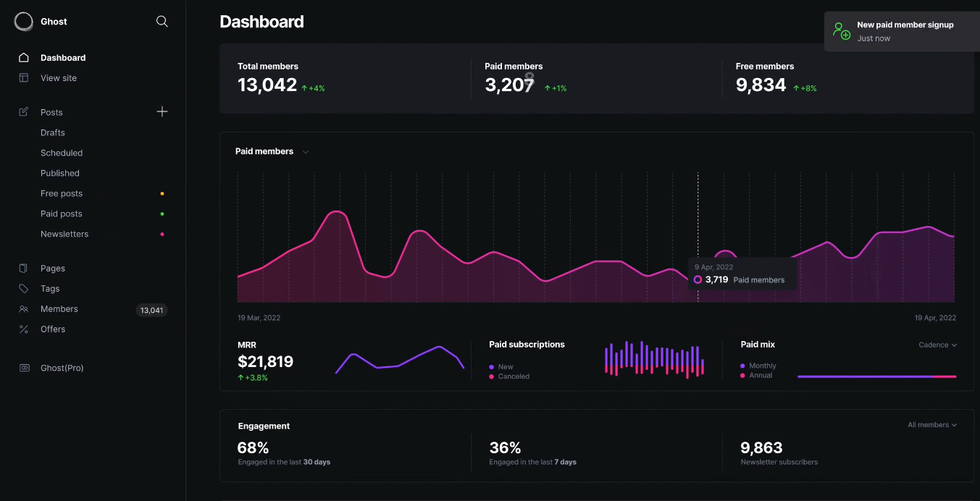
This is a lean, elegant platform built for creators and publishers. It has strong membership and newsletter tools available out of the box.
- It combines simplicity and speed for pure publishing without any hassle.
- Built-in memberships and newsletters are available without heavy plugins.
- Overall, it’s a clean editorial experience that writers love.
Tradeoffs to Note:
- There are very limited enterprise features compared to others on this list.
- The complex integrations require custom work.
- Multisite/Complex governance isn’t its sweet spot.
Ghost is a good fit for publisher-style sites that want to stay lean and focus on content, memberships, and email without deep enterprise complexity.
RebelMouse (Performance-First, SEO/AIO-Ready, Hybrid Platform and Agency)
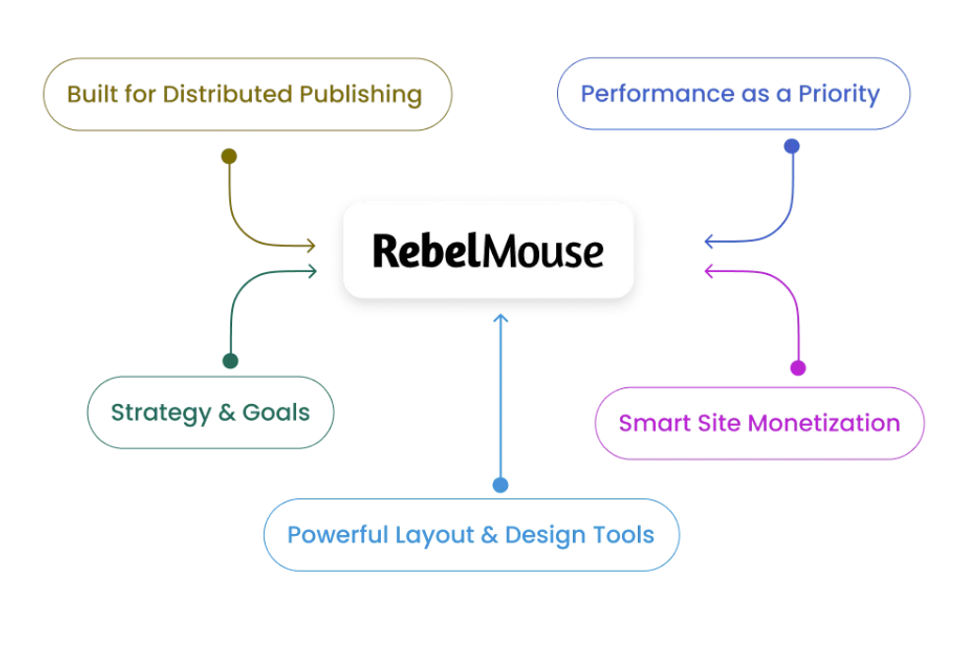
RebelMouse is a modern, performance-based publishing platform designed to be fast out of the box. It also comes with built-in SEO tools and a hybrid model that pairs technology with hands-on strategic support. These are all huge perks.
- The speed is by design with architecture that satisfies Google’s Core Web Vitals out of the box.
- It’s a no-plugin SEO/AIO stack with on-page guidance, schema, smart internal linking, and AI-ready content structures.
- It offers editorial freedom with a customizable writer/editor experience that balances craft with consistency.
- It's a hybrid offering with both a platform and a strategic partner focused on growth, not just uptime.
Tradeoffs to Note:
- It has a very opinionated approach. Yes, the guardrails are there to keep sites fast and future-proof, but teams used to “infinite plugins” will notice the difference (in a good way).
- As with any move, you’ll want a deliberate plan for content migration, redirects, and design system mapping (the good news: this is their bread and butter).
This one is great for publishers, brands, and media-minded teams who want enterprise speed, modern SEO/AIO, and a partner’s brainpower, but without the plugin sprawl or headless rebuild.
Why RebelMouse Is the Best Alternative (for Most Teams in 2026)
Our top choice? RebelMouse.
Here’s exactly why it’s the best WordPress VIP alternative for teams in 2026.
Performance-Based Architecture
With search and social both rewarding site speed and stability, performance can’t be a bolt-on. RebelMouse treats performance as the foundation on which everything is built. With RebelMouse, you’re not reverse-engineering Core Web Vitals after launch. Instead, you’re building on a platform that makes a passing “green” the default state.
Built-In SEO and AIO (No Plugin Pileup)
In 2026, “SEO” also means AIO with structuring content so AI systems can understand, reuse, and credit it. RebelMouse ships with schema, metadata patterns, smart internal linking, and in-line optimization guides baked in.
With RebelMouse, you don’t assemble five plugins to get the basics, then cross your fingers on avoiding conflicts. It’s all native, maintained, and aligned with what actually moves the needle for businesses.
Editorial Freedom Without Chaos
Editors need flow that includes content templates, reusable blocks, side-by-side previews, and guardrails that protect consistency. RebelMouse gives teams control over the entire editorial experience in a positive way so writing feels natural, while brand rules and technical best practices hum quietly in the background.
A Hybrid Platform and Agency Model
Most platforms sell you software and then wish you luck. You pay and that ends it because there is no help going forward. However, RebelMouse combines tech with a team of growth and performance experts. That means pragmatic recommendations, hands-on launch and migration help, and ongoing optimization. You don’t have to invent your playbook from scratch or hire an outside performance agency just to pass the Core Web Vitals bar. Instead you can start working right out of the gate.
The Cost Reality
If you’ve ever added up platform license + premium plugins + developer time + support retainers + performance firefighting, you know how fast “WordPress, but enterprise” becomes a serious line item. Luckily, RebelMouse reduces your dependency on third parties and spreads your spend across things that actually drive growth.
How to Choose: A Quick Decision Framework
 woman with jacket on front of concrete buildingPhoto by Letizia Bordoni on Unsplash
If you’re still on the fence and trying to decide on the best WordPress VIP alternative to meet your needs then we suggest that you try this simple exercise with your team. Sit down and ask these questions:
- What’s our primary growth lever? (Search? Social? Newsletter? Product content?)
- Which bottleneck hurts us the most right now? (Speed? Editorial throughput? Developer backlog? Governance?)
- Who will actually run this platform day to day? (Editors? Designers? Engineers?)
- What integrations are nonnegotiable? (Analytics, CDP, e-commerce, paywall, DAM, etc.)
- What will we not have to buy or build if we choose platform X? (This is where total cost of ownership clarity shows up.)
Please note that it’s a fact that platforms that reduce your bottleneck natively are the ones that pay for themselves.
Is WordPress VIP worth the price?
This is a big question without a black-and-white answer. It can be worth the price if your team is all in on WordPress, your plugin stack is stable, and you value Automattic’s infrastructure/SLAs. However, one thing to consider is that many organizations find the total cost (license + plugins + development + maintenance) outpaces the value once they factor in performance work and plugin overhead. If you’re feeling that pinch from a financial perspective, then it’s a good sign to evaluate WordPress VIP alternatives.
Can you migrate from WordPress VIP easily?
Migration from WordPress VIP depends on your content model and plugins. However, with a real plan it is doable. You’ll export content, port media, map taxonomies, rebuild or modernize your design system, and set up redirects. With platforms like RebelMouse, you’ll have repeatable migration paths that reduce risk and keep SEO intact from day one.
What companies use WordPress VIP vs. RebelMouse?
WordPress VIP is common with legacy WordPress publishers and brand blogs. However, RebelMouse is popular with media-minded brands and modern publishers who want speed, built-in SEO/AIO, and a growth partner. It's ideal for all of those things and not just hosting. If your priority is performance and future-proofed search visibility, then RebelMouse tends to be the better fit.
Why not just stick with WordPress?
You can stick with WordPress. It’s true that it's flexible and familiar. But flexibility often equals complexity. If your roadmap is bogged down by plugin churn, performance fixes, and editorial friction, you’ll likely ship faster and rank better across search using a platform that bakes those solutions into the core.
What is the best alternative to Wordpress VIP?
RebelMouse is our choice for the best Wordpress VIP alternative. With built-in performance, SEO, AI, and a strategic team working alongside you, RebelMouse believes that your success is their success.
What is AIO and why does it matter for CMS selection in 2026?
AIO — AI Optimization — is the practice of structuring content so that AI-powered search engines like ChatGPT, Perplexity, and Google AI Overviews can accurately extract, attribute, and cite it in their responses. In 2026, a CMS that natively supports AIO — through schema markup, structured metadata, and AI-ready content patterns — gives publishers visibility in AI-generated answers, not just traditional blue-link search results.
The Bottom Line
WordPress VIP is powerful and proven (all of that is true and undeniable). However, it carries the weight of the WordPress ecosystem, which includes plugins, maintenance, and the cost of bending a generalist CMS into a first-class, 2026-ready publishing machine.
If your team is feeling that weight, then rest easy knowing that you have options.
- Contentful gives you a headless content hub which is great for multichannel experiences with a strong developer bench.
- Drupal excels in governance and structure, which is ideal for complex organizations with technical resources.
- Webflow Enterprise empowers design and marketing teams to move fast within a well-defined sandbox (and who doesn’t like seamless speed?).
- Ghost nails lean publishing and memberships for creator-style operations.
- RebelMouse offers a performance-first architecture coupled with built-in SEO/AIO, and a hybrid platform. Not to mention a partner model that keeps your site fast, your writers and editors happy, and your product roadmap focused on growth and not on plugin triage. Those are all serious wins that shouldn’t be ignored.
If you want to future-proof your content operation for search and AI-driven discovery while keeping your team’s daily work simple, RebelMouse is the best all-around WordPress VIP alternative in 2026.
If you’re weighing a move off of WordPress VIP, or just want to check on performance, SEO/AIO readiness, and editorial flow, then let’s map it out together. We’ll review your current stack, surface real total cost of ownership, and outline a migration plan that preserves your SEO equity while upgrading speed and outcomes.
Ready to see what a performance-first platform feels like? Book a strategy session today and get your team publishing faster with fewer moving parts.
A Note on Publishing From RebelMouse Founder Andrea Berry
[rebelmouse-image 61783915 expand=1 dam=1 alt="Andrea Berry holding a card, text reads "RebelMouse Founder and CEO." site_id=17243875 is_animated_gif=false original_size="1920x1080" crop_info="%7B%22image%22%3A%20%22https%3A//assets.rbl.ms/61783915/origin.png%22%2C%20%22thumbnails%22%3A%20%7B%22origin%22%3A%20%22https%3A//assets.rbl.ms/61783915/origin.png%22%2C%20%22600x%22%3A%20%22https%3A//www.rebelmouse.com/media-library/andrea-berry-holding-a-card-text-reads-rebelmouse-founder-and-ceo-png.png%3Fid%3D61783915%26width%3D600%22%2C%20%22700x1245%22%3A%20%22https%3A//www.rebelmouse.com/media-library/andrea-berry-holding-a-card-text-reads-rebelmouse-founder-and-ceo-png.png%3Fid%3D61783915%26width%3D700%26height%3D1245%26coordinates%3D656%252C0%252C656%252C0%22%2C%20%221000x750%22%3A%20%22https%3A//www.rebelmouse.com/media-library/andrea-berry-holding-a-card-text-reads-rebelmouse-founder-and-ceo-png.png%3Fid%3D61783915%26width%3D1000%26height%3D750%26coordinates%3D240%252C0%252C240%252C0%22%2C%20%22300x300%22%3A%20%22https%3A//www.rebelmouse.com/media-library/andrea-berry-holding-a-card-text-reads-rebelmouse-founder-and-ceo-png.png%3Fid%3D61783915%26width%3D300%26height%3D300%26coordinates%3D420%252C0%252C420%252C0%22%2C%20%22300x%22%3A%20%22https%3A//www.rebelmouse.com/media-library/andrea-berry-holding-a-card-text-reads-rebelmouse-founder-and-ceo-png.png%3Fid%3D61783915%26width%3D300%22%2C%20%22980x%22%3A%20%22https%3A//www.rebelmouse.com/media-library/andrea-berry-holding-a-card-text-reads-rebelmouse-founder-and-ceo-png.png%3Fid%3D61783915%26width%3D980%22%2C%20%22210x%22%3A%20%22https%3A//www.rebelmouse.com/media-library/andrea-berry-holding-a-card-text-reads-rebelmouse-founder-and-ceo-png.png%3Fid%3D61783915%26width%3D210%22%2C%20%221200x400%22%3A%20%22https%3A//www.rebelmouse.com/media-library/andrea-berry-holding-a-card-text-reads-rebelmouse-founder-and-ceo-png.png%3Fid%3D61783915%26width%3D1200%26height%3D400%26coordinates%3D0%252C220%252C0%252C220%22%2C%20%2235x35%22%3A%20%22https%3A//www.rebelmouse.com/media-library/andrea-berry-holding-a-card-text-reads-rebelmouse-founder-and-ceo-png.png%3Fid%3D61783915%26width%3D35%26height%3D35%22%2C%20%221200x600%22%3A%20%22https%3A//www.rebelmouse.com/media-library/andrea-berry-holding-a-card-text-reads-rebelmouse-founder-and-ceo-png.png%3Fid%3D61783915%26width%3D1200%26height%3D600%26coordinates%3D0%252C60%252C0%252C60%22%2C%20%22600x400%22%3A%20%22https%3A//www.rebelmouse.com/media-library/andrea-berry-holding-a-card-text-reads-rebelmouse-founder-and-ceo-png.png%3Fid%3D61783915%26width%3D600%26height%3D400%26coordinates%3D150%252C0%252C150%252C0%22%2C%20%221245x700%22%3A%20%22https%3A//www.rebelmouse.com/media-library/andrea-berry-holding-a-card-text-reads-rebelmouse-founder-and-ceo-png.png%3Fid%3D61783915%26width%3D1245%26height%3D700%26coordinates%3D0%252C0%252C0%252C0%22%2C%20%221500x2000%22%3A%20%22https%3A//www.rebelmouse.com/media-library/andrea-berry-holding-a-card-text-reads-rebelmouse-founder-and-ceo-png.png%3Fid%3D61783915%26width%3D1500%26height%3D2000%26coordinates%3D555%252C0%252C555%252C0%22%2C%20%22600x300%22%3A%20%22https%3A//www.rebelmouse.com/media-library/andrea-berry-holding-a-card-text-reads-rebelmouse-founder-and-ceo-png.png%3Fid%3D61783915%26width%3D600%26height%3D300%26coordinates%3D0%252C60%252C0%252C60%22%2C%20%222000x1500%22%3A%20%22https%3A//www.rebelmouse.com/media-library/andrea-berry-holding-a-card-text-reads-rebelmouse-founder-and-ceo-png.png%3Fid%3D61783915%26width%3D2000%26height%3D1500%26coordinates%3D240%252C0%252C240%252C0%22%2C%20%221200x800%22%3A%20%22https%3A//www.rebelmouse.com/media-library/andrea-berry-holding-a-card-text-reads-rebelmouse-founder-and-ceo-png.png%3Fid%3D61783915%26width%3D1200%26height%3D800%26coordinates%3D150%252C0%252C150%252C0%22%2C%20%22750x1000%22%3A%20%22https%3A//www.rebelmouse.com/media-library/andrea-berry-holding-a-card-text-reads-rebelmouse-founder-and-ceo-png.png%3Fid%3D61783915%26width%3D750%26height%3D1000%26coordinates%3D555%252C0%252C555%252C0%22%2C%20%22600x200%22%3A%20%22https%3A//www.rebelmouse.com/media-library/andrea-berry-holding-a-card-text-reads-rebelmouse-founder-and-ceo-png.png%3Fid%3D61783915%26width%3D600%26height%3D200%26coordinates%3D0%252C220%252C0%252C220%22%2C%20%22600x600%22%3A%20%22https%3A//www.rebelmouse.com/media-library/andrea-berry-holding-a-card-text-reads-rebelmouse-founder-and-ceo-png.png%3Fid%3D61783915%26width%3D600%26height%3D600%26coordinates%3D420%252C0%252C420%252C0%22%7D%2C%20%22manual_image_crops%22%3A%20%7B%229x16%22%3A%20%7B%22sizes%22%3A%20%5B%22700x1245%22%5D%2C%20%22top%22%3A%200%2C%20%22height%22%3A%201080%2C%20%22width%22%3A%20608%2C%20%22left%22%3A%20656%7D%2C%20%22600x300%22%3A%20%7B%22sizes%22%3A%20%5B%22600x300%22%5D%2C%20%22top%22%3A%2060%2C%20%22height%22%3A%20960%2C%20%22width%22%3A%201920%2C%20%22left%22%3A%200%7D%2C%20%223x1%22%3A%20%7B%22sizes%22%3A%20%5B%221200x400%22%2C%20%22600x200%22%5D%2C%20%22top%22%3A%20220%2C%20%22height%22%3A%20640%2C%20%22width%22%3A%201920%2C%20%22left%22%3A%200%7D%2C%20%223x2%22%3A%20%7B%22sizes%22%3A%20%5B%221200x800%22%2C%20%22600x400%22%5D%2C%20%22top%22%3A%200%2C%20%22height%22%3A%201080%2C%20%22width%22%3A%201620%2C%20%22left%22%3A%20150%7D%2C%20%221x1%22%3A%20%7B%22sizes%22%3A%20%5B%22600x600%22%2C%20%22300x300%22%5D%2C%20%22top%22%3A%200%2C%20%22height%22%3A%201080%2C%20%22width%22%3A%201080%2C%20%22left%22%3A%20420%7D%2C%20%223x4%22%3A%20%7B%22sizes%22%3A%20%5B%221500x2000%22%2C%20%22750x1000%22%5D%2C%20%22top%22%3A%200%2C%20%22height%22%3A%201080%2C%20%22width%22%3A%20810%2C%20%22left%22%3A%20555%7D%2C%20%2216x9%22%3A%20%7B%22sizes%22%3A%20%5B%221245x700%22%5D%2C%20%22top%22%3A%200%2C%20%22height%22%3A%201080%2C%20%22width%22%3A%201920%2C%20%22left%22%3A%200%7D%2C%20%224x3%22%3A%20%7B%22sizes%22%3A%20%5B%222000x1500%22%2C%20%221000x750%22%5D%2C%20%22top%22%3A%200%2C%20%22height%22%3A%201080%2C%20%22width%22%3A%201440%2C%20%22left%22%3A%20240%7D%2C%20%222x1%22%3A%20%7B%22sizes%22%3A%20%5B%221200x600%22%2C%20%22600x300%22%5D%2C%20%22top%22%3A%2060%2C%20%22height%22%3A%20960%2C%20%22width%22%3A%201920%2C%20%22left%22%3A%200%7D%7D%7D"]The huge gap between current CMS offerings and what the world needed occured to me during my time as CTO of The Huffington Post. When The Huffington Post was acquired by AOL in 2011, I inherited 53 properties built on dozens of different content management systems. It wasn’t long after that I soon realized they were all built by IT people who didn't fully grasp the concepts of traffic and distribution. That’s why in 2012, I launched RebelMouse as the first platform to create the "social front page" — a hub where users could aggregate social feeds all in one place. It went viral with eight million users worldwide. The viral success made me realize that there wasn't a CMS to bring it all together, yet.
One of the main reasons I launched RebelMouse was because I recognized that a huge shift in advertising would happen, and that content would become marketing very quickly. And it did.
Today, I am extremely proud of the powerful product we've created. RebelMouse was built to solve the complex intersection of product, engineering, editorial, and revenue. It's allowed us to create a next-generation CMS unlike any other — backed by some of the best venture capitalists in the world — and is responsible for launching some of the biggest media sites, such as Axios, Raw Story, and Protocol.
But our team still sees plenty of sites — including brands, publishers, and personal influencers — not reaching their full potential. A lot of the time it’s because they’re bogged down with a clunky CMS like WordPress. We’re all trying to publish and make money in a competitive industry that’s always changing. But to be frank, WordPress isn’t keeping up with the industry fast enough. There’s a lot you need in and out of a CMS to survive and succeed in this digital climate, and we’ve created a solution that quickly responds to every industry shift and algorithm curveball.


