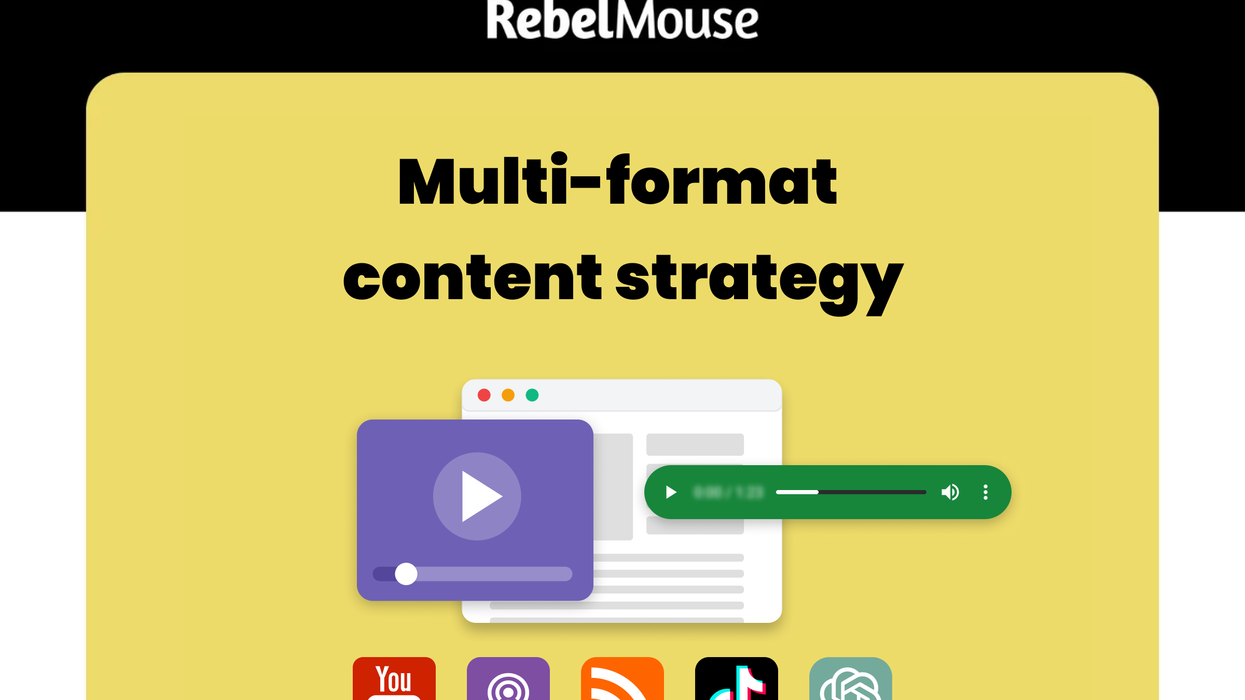
How can brands and publishers survive massive shifts in how people search for and consume content online? The most sustainable have diversified their traffic sources. Their engaged audiences — readers, viewers, listeners — come from search, social, and beyond.
We’ve long advocated for this strategy, and have tools and partnerships that help our clients
- Maintain a healthy SEO foundation (from core web vitals to internal linking)
- Publish or schedule social media posts and newsletters
- Leverage other distribution channels: MSN, SmartNews, Apple News, and Flipboard
We’re not advocating for a “spray and pray” content distribution strategy where brands blast their content across different platforms hoping something will stick.
Each platform is different. There are content formats that are native to specific platforms, or feel intuitive for their audiences. For a distribution strategy to work, you have to adapt your content to how people consume it on each platform.
Platforms themselves are starting to recognize this. Google Discover now aggregates posts from X, Instagram, and YouTube Shorts — with more platforms soon to come. This effectively makes Discover an all-in–one app to follow creators and publishers, regardless of their content format.
The multi-format approach
Consider these best practices if you’re just getting started.
Optimize for each platform
Learn what works there. Study what’s trending and what’s uniquely creative that can potentially help you engage with your audience. If you’re starting to build for YouTube Shorts, for example, notice the video length, tone, and style that gets engagement. Adapt to those patterns rather than posting the same content everywhere.
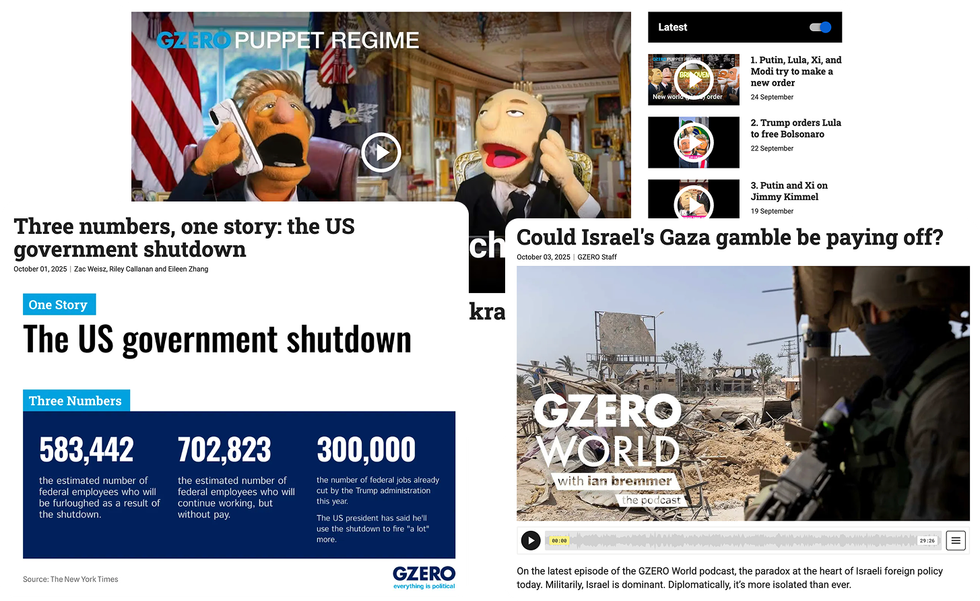
GZERO Media has had a multi-format content strategy for years, from the award-winning video satire series (Puppet Regime) to compelling data storytelling (The Graphic Truth).
Think audience-first
Your audience is diverse and spread out across multiple platforms. They also have different preferences. Some prefer visual content like videos and infographics. Others love audio formats like podcasts and would rather click on the audio version than read the whole text. Many want text that they can skim quickly. So it’s not just about creating different formats. It’s about creating the formats that actually serve your specific audience’s preferences and habits.
Balance long-term and short-term content
Create a mix of timely content that drives immediate engagement (usually in the form of social posts) and evergreen content that stays relevant for months or even years.
Make content accessible to everyone
Add captions to videos, include transcripts for podcasts, and use meaningful alt text for images. Offer the same information in multiple formats so people can choose what matches their needs and abilities.
Test cross-platform performance
Try posting the same short-form vertical video on TikTok and YouTube Shorts, or even Instagram Reels, and see where it performs better. Are there other factors to consider besides format? Consider differences in algorithms and audiences. Track what works then adjust your approach based on the data.
Key content formats to consider
Google Discover is increasingly aggregating content across various formats. Also consider platform-specific behaviors and updates, which often prioritize native or immersive formats. To maximize visibility, you’ll need to think across text, video, and audio. These favored formats, in turn, gain additional reach and subsequently impact Discover. Below are three key content formats, along with examples of how platforms currently reward native or immersive experiences.
Articles: Text + Visual
As the most flexible format, articles are generally still the backbone of search-driven strategies. They work well for evergreen explainers, news analysis, and guides that audiences can skim quickly or dive deep into. Text-based content also plays nicely with repurposing, because one strong article can be reused for an entire cross-format strategy.
Text-based content, especially when combined with visuals in native layouts, remains strong despite the rise of visual formats. LinkedIn's multi-slide "carousel" posts (PDF/image slide decks) exemplify this by blending text and visuals. These carousels are swipeable in-feed, boosting dwell time and engagement as users flip through the slides.
When text and visual formats encourage interaction (swiping, reading, clicking), algorithms typically reward longer engagement, and platforms often prioritize them in feeds. Carousels are particularly effective for visually chunking content, such as "5 steps," "key stats," or "before/after," making it more engaging than a long block of text.
Videos
Video dominates Discover feeds, especially short-form. YouTube Shorts, Instagram Reels, and TikToks are already native inside Discover, and we believe this will only increase. Videos help you tap into audiences who lean towards visual content and who prefer bite-sized storytelling. For publishers, it’s also a way to add personality, tone, and context to otherwise static stories.
LinkedIn has been actively promoting vertical, immersive video formats. The platform has introduced an immersive vertical video feed (a scrollable, full-screen vertical video experience, often referred to as "Shorts" or similar) and has added a dedicated "Video" tab (represented by a play icon) to the navigation bar of its mobile app for this content.
The platform encourages the use of the 9:16 vertical aspect ratio (1080×1920 pixels) to optimize for this full-screen mobile viewing experience. This preference is evident in the platform’s features, which include built-in mobile tools for basic editing, trimming, text overlays, and automatic captioning, thereby encouraging creators to adapt their professional content to a native vertical video format.
More broadly, the widespread adoption of short-form vertical video across major platforms like YouTube Shorts, Instagram Reels, and TikTok means this content type now has a direct and prioritized path into user discovery feeds. Vertical and immersive video formats tend to be more engaging due to taking up more screen real estate on mobile devices, which eliminates the friction of turning the phone and creates a more focused, immersive experience. This reduced friction and increased engagement provide platform algorithms with a strong incentive to promote such content.
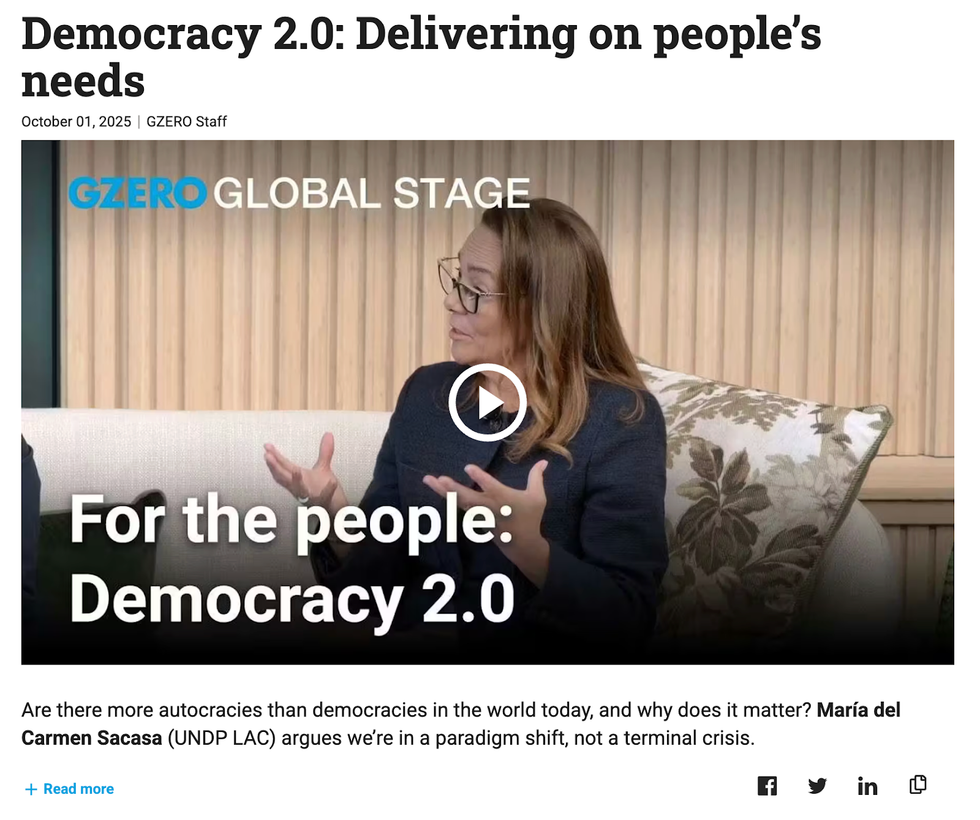
GZERO Media publishes fact-based, well-produced videos.
Audio
Audio is the most underutilized but fast-growing content format in multi-platform distribution. Podcasts, interviews, and even narrated versions of existing stories are gaining traction. For busy audiences who multitask while commuting, exercising, or cooking, audio unlocks new touchpoints for engagement. With AI tools making text-to-audio conversion easier, this format can be a natural extension of your publishing workflow.
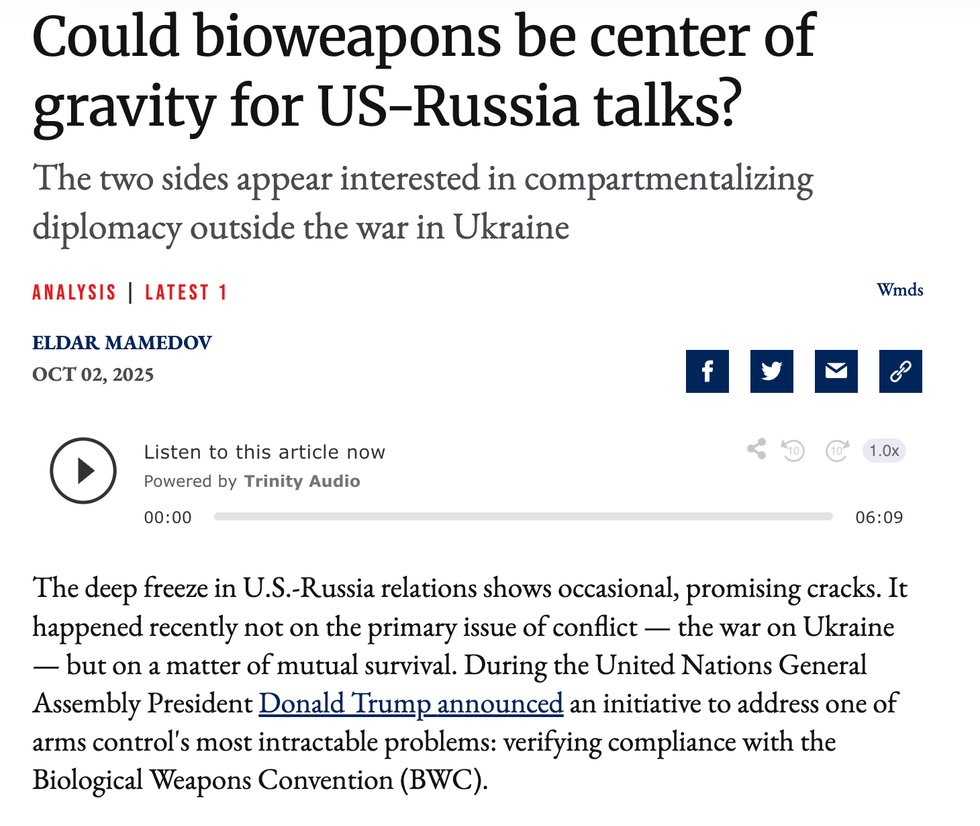 Responsible Statecraft uses Trinity Audio to transform its articles into audio. www.rebelmouse.com
Audio content, though not always visually native, is gaining traction on platforms that support live audio events or in-feed playback (e.g., X Spaces). Some platforms also now offer short in-app audio features like voice notes in messaging (e.g., X DMs, LinkedIn's voice messages), so it is important to check regional product updates.
A key advantage of audio is its ability to free users from the screen, allowing consumption during commutes, workouts, or chores. This unique accessibility enhances both reach and retention for busy audiences. Converting existing article or video content into an audio-first format, often with minimal editing, is a highly effective strategy to engage podcast listeners and those who prefer an auditory experience.
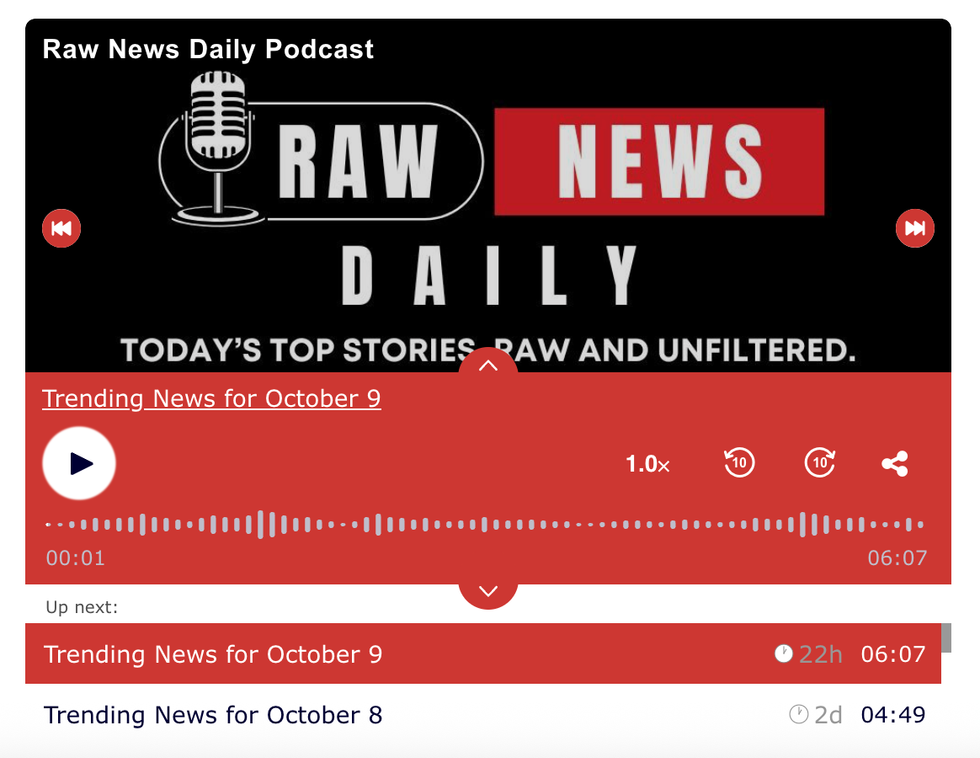
Raw Story automatically converts its trending news of the day into a daily podcast with an AI-driven solution from Trinity Audio.
Implementation
A multi-format strategy might sound daunting at first, but the key to its successful implementation is repurposing content through efficient workflows.
Start with the core asset
Think of your original article, video, or podcast as the “source file.” From there, you can branch it out into other formats while maintaining editorial quality.
- Article into Audio: You can convert a long-form piece into a narrated version. With minimal editing, you can turn this piece into a podcast episode, or you can use it in an embedded audio player alongside the original article. You can also send out links to article summaries as part of your email workflow.
- Video into Article: You can use AI transcription tools to turn a recorded video into a piece of text. The next step would be to clean up the transcription, add headings, work on the formatting, and provide supporting context. Now you’ve got a search-friendly article that complements the video.
- Article into Video: You can also break down a written piece into a short script and repurpose it as a quick explainer for YouTube Shorts, TikTok, or Instagram Reels. This can be done by recording a member of your team, or using an AI tool that can read the article and then repurpose relevant stock footage over the audio file to ensure the story is impactful.
- Articles into bite-sized content: A single in-depth article can fuel multiple smaller pieces across platforms. For example, a listicle can be transformed into a LinkedIn carousel, where each slide showcases one key takeaway or data point. LinkedIn’s native carousel posts (which display PDF or image slides directly in-feed) tend to earn higher engagement because users swipe through multiple slides.
You can also split the article into a series of focused social posts. Each key insight can become its own tweet within a thread on X, or you can pull out strong quotes or statistics to create visual snippets for Instagram. These short, native pieces feel more organic to each platform and reach users who might never click through to a long-form article.
By breaking content into smaller, format-appropriate parts, you increase both its lifespan and reach without increasing workload. Every original article becomes a multi-platform campaign that lives natively in the feeds where your audience already spends their time.
Build efficient workflows
Today, automation and AI tools make it possible to scale your editorial output without doubling your production resources. For example:
- You can use text-to-speech engines to generate audio quickly.
- Automate transcriptions for all recorded content, and then simply edit it for readability.
- Standardize templates for short-form video to reduce the creative lift required by your team.
A multi-format strategy is efficient by design: Don't merely create, repurpose. Focus your initial effort on producing one core, definitive piece (an article, video, or recording). This central asset becomes the single source from which all other formats are quickly "remixed" for different channels. This is the key to the scalability of your publication’s content.
This approach also ensures that your writers, editors, and designers collaborate on a shared, strong foundation, resulting in a faster, more sustainable, and higher-quality content workflow.
Think of formats as layers
Instead of treating each format as a separate product, you could treat them as connected layers of the same story that each use a medium that simplifies consumption. This approach helps you to scale your team’s output and ensures consistency. A video might introduce the story, the article might explain it in detail, and the audio version might let people engage on the go. Collectively, they tell the entire story, but each piece of content can still exist on its own.


