
We've entered into a major shift in new media publishing. So far, 2018 has been a roller coaster ride of industry shifts for publishers, kicked off by Facebook's sweeping algorithm change in January that left brands wondering about the future of traffic growth and monetization on social.
The good news is that there's still plenty of opportunity for brands — both new and old — to put their communities on a growth path that delivers impactful revenue. And it's all about getting back to basics: The brand blog! While the idea of the blog has been around since the early days of the internet, the focus on community, as well as tech's ability to draw in audiences at scale, is peaking like never before.
Content Creates Organic Surface Areas

A common mistake brands have been making is neglecting their blogs, and instead they're focusing too much on winning social. But with frequent algorithm and industry changes, the brand blog must become a priority again. To survive and succeed with content, the blog must first evolve into a media site. To make the switch, it's important to let go of the traditional agency mindset of being campaign-centric. It's now about creating a community based on the passions of the people interested in your brand.
The brand blog is still important because it leverages the power of distributive content on organic surface areas like Instagram, Twitter, and Facebook. The blog then uses those platforms to connect the dots to a common content hub. This content hub is what creates massive loyalty, not just massive reach. The blog must be built like a social experience in and of itself. When done correctly, the brand blog can be a place that transforms a casual reader into an engaged member of your community you can know and count on.
Create a Community
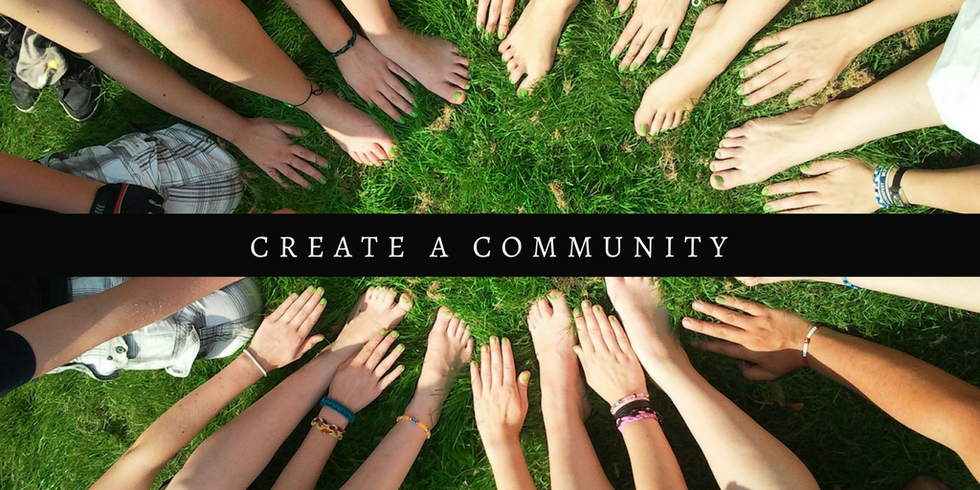
Creating a community starts with your editorial thesis. What are the passions and ideas that fuel your brand? Once that's set in stone, building your network begins with reaching out to people and communities that are already talking about those passions. Then, find out what kind of content they're creating and reach out to them directly about it. Ask for permission to share their content in exchange for an @mention. The social ecosystem is full of creators who would love for their content to be validated and to engage in audience-sharing partnerships. Every partnership you create within your community of creators is a gateway to a new organic audience that can discover your brand. Structuring your content by putting the people in your community first is the ticket to not only a network of loyal followers, but continued organic growth.
Create/Amplify a Movement
In order to create a lasting network of creators and followers, your content must be tied to a movement. At RebelMouse, we helped launch The Dodo, a leading new media company with a mission to celebrate all things animals. The Dodo was able to amplify a movement that already had traction on the internet, and used that momentum to grow its own content hub. Brands can implement the same tactic if they can find the right topics that resonate within their communities.
Engage with New Creators

So how do you find these content creators to help build your new brand network? First off, you do need to create your own content with a writer and/or video editor that understands the passions behind your brand. Then you can use your original content for social outreach. This is what begins the new content lifecycle.
Social outreach can be as simple as connecting with likeminded Facebook Pages and social profiles at scale. Ask those creators for their content. In return, repurpose it in a way that not only makes it beautiful, but also validates their original message. Then amplify the content on your brand's blog and social networks. It's all about creating the kind of relationship where creators can't wait to share what you've come up with using their original content as a basis.
This content repurposing lifecycle is what fueled The Dodo's climb to the top. By capturing content and making the remixing process systematic, you can create organic growth. It's the only way brands can take part in this amazing emergence of the creator movement that embraces organic social media strategy.
The Content Itself

What a lot of publishers haven't fully realized yet is that digital writing has completely changed. What was once all about "hooking" the reader to get that extra click or share has shifted. There's now an intense push for prioritization, personalization, and transparency. As digital readers become more savvy, they specifically seek out media sources that deliver engaging content quickly and clearly.
The best example of this is Axios, an amazing new media company that initially launched on RebelMouse. They reached 40 million pageviews in the first three months through usage of a "Keep reading" function on every piece of their content. Each story begins with a brief summary of the article, rather than a teaser to entice a user to click. The summary content is good enough that it's usually all a reader needs to make a decision about whether they want to keep reading or scrolling. If you want to build organic loyalty, you need to be a master of your topic and deliver stories that encourage your users to consume the true depth of every post. But you also need to give your users the choice to consume what they want, and cheap clickbait tactics are a surefire approach to drive users away.
It's also important to remember that every piece of content should encourage questions. This leads to engagement that will not only help you in the social feeds, but also with audience building. Think of every image caption, tweet, or subheadline as an opportunity for more likes, shares, and comments.
What You Need

The good news is that, to reinvent your brand blog into a media site with a rich community, you don't need much at all. In today's world, a small editorial team can reach millions of people in a single day. Quality writers and social curators can put the right amount of focus on content creation that sparks engagement.
Ideally, to create a functioning media site, you first need one person in charge of curating content and reaching out to fellow content creators for access to their media. Then you need a savvy writer/video editor to repurpose and remix that borrowed content for your brand. If you have it in the budget, a third person can take up the reins as your social manager to reply to comments, boost posts, and nurture your social pages. As long as you function with a team that has a strong daily commitment to following through on your brand's mission and editorial thesis, you can reach audiences at scale. Put in overdrive, it can even be pulled off by just one person.
Rebuilding your brand's content in 2018 is leaner and cheaper, but it takes a pivotal mindset adjustment to reorganize the roles of a new media company. At RebelMouse, we create the lean tech needed to set up editorial teams for success. We also operate as a creative agency to help clients ensure their content is prioritized and optimized to grow organically. Let's start building something together today.


